



McDonald’s introduced the Happy Meal as part of a broader strategy to make its restaurants more family-oriented and to build brand loyalty among children at an early age. During the 1970s, McDonald’s was rapidly expanding across the United States and internationally. Families were becoming a key customer group, and the company recognized that children often influenced where their parents chose to eat. Creating a dedicated children’s meal was a logical step.
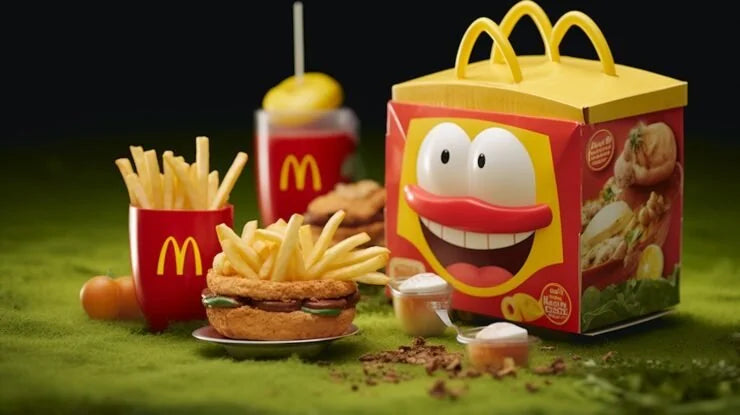
The idea for the Happy Meal is often credited to Yolanda Fernández de Cofiño, a McDonald’s franchisee in Guatemala, who in the early 1970's created a smaller, child-sized meal called the “Menu Ronald.” Around the same time in the United States, marketing executive Bob Bernstein proposed packaging a children’s meal in a box inspired by cereal packaging, which was popular with kids. The combination of a child-sized portion, colorful box, and small toy became the foundation of the Happy Meal concept.
McDonald’s officially launched the Happy Meal nationwide in the United States in 1979. The first versions included a hamburger or cheeseburger, fries, a soft drink, cookies, and a small toy. The toy quickly became the defining feature, turning the meal into an experience rather than just food. Partnerships with movie studios and toy brands soon followed, making the Happy Meal a powerful promotional platform.

As McDonald’s expanded globally in the 1980s and 1990s, the Happy Meal became a standard offering in international markets. While the core concept remained the same—child-sized portions, themed packaging, and collectible toys—menus were adapted to local tastes and cultural preferences. In some countries, healthier options such as fruit or milk were introduced earlier than in others.
Over time, the Happy Meal evolved to reflect changing nutritional expectations and marketing regulations. Yet its core purpose has remained consistent: to create a joyful, child-focused experience that strengthens McDonald’s appeal to families worldwide.